
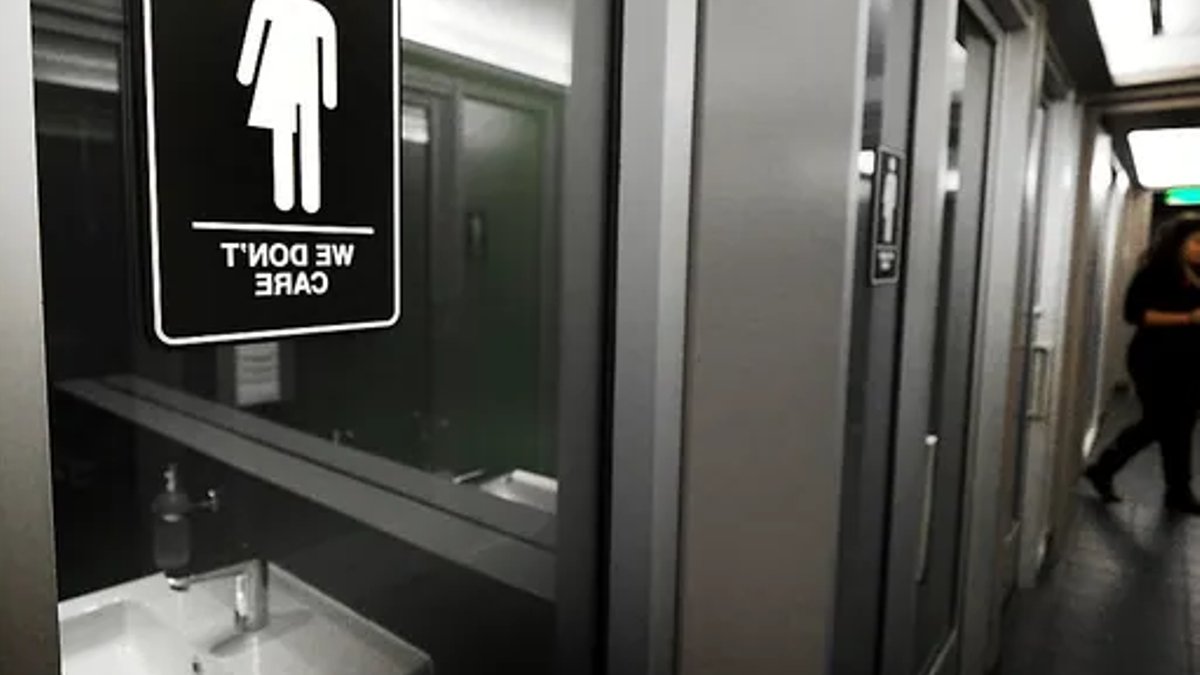
The Equal Employment Opportunity Commission is reversing its stance on workplace protections for transgender employees, now prioritizing religious objections over gender identity rights under Title VII of the Civil Rights Act. Since Chair Andrea Lucas assumed leadership in January 2025, the agency has abandoned Biden-era guidance that acknowledged harassment based on gender identity—including misgendering or denying access to sex-segregated facilities matching an individual’s gender identity. This reversal aligns with the Trump administration’s focus on majority-group religious rights over diversity, equity, and inclusion initiatives.
The change is evident in two recent enforcement actions. In the first, the EEOC accused Generac Power Systems of violating Title VII after the company did not explicitly address an employee’s request to use “biological pronouns” for a transgender colleague. The agency argued the employer failed to engage in the legally required interactive accommodation process, even though no formal denial occurred. The resolution required policy updates, religious accommodation training, and a monetary payment—though no lawsuit was filed, leaving key details unspecified.
In a separate case, the city of O’Fallon, Illinois settled an EEOC claim after refusing to provide a women-only locker room for an employee and disciplining her for requesting one. The five-year agreement now requires all sex-designated facilities to be labeled strictly as “Men” and “Women,” directly contradicting the Biden-era EEOC position that such spaces should align with gender identity. The city avoided financial penalties, opting for “nonmonetary relief” instead.
The Supreme Court’s 2020 Bostock v. Clayton County decision established that discrimination based on gender identity violates Title VII, but the EEOC’s new approach suggests religious objections, particularly those tied to “biological reality”, now take precedence in workplace disputes.
Employers now confront conflicting legal signals. More than 20 states have laws protecting against gender identity discrimination, including some conservative-leaning jurisdictions, while the EEOC’s stance, backed by Executive Order 14168, creates legal uncertainty. Courts will determine whether Title VII establishes a minimum standard allowing state expansions or a maximum that overrides broader state protections. For now, the EEOC’s interpretation remains untested in litigation, forcing employers to operate in legally unclear territory.
For example, accommodating a religious objection to gender-neutral pronouns could still lead to harassment claims if the response fails to prevent discrimination. Similarly, single-occupancy restrooms may not resolve conflicts over access to sex-segregated spaces.
The agency’s enforcement under Chair Lucas demonstrates a deliberate effort to redefine workplace protections by emphasizing religious objections tied to “biological reality.” The January 2025 reversal of the 2024 guidance on gender identity harassment, covering misgendering and facility access, mirrors the Trump administration’s push to prioritize majority-group religious rights over diversity policies. This shift reclassifies what was once treated as gender identity discrimination into potential religious accommodation disputes.
Religious Objections and the Interactive Accommodation Process
The Generac Power Systems case shows how the EEOC now examines workplace conflicts involving gender identity through the lens of religious accommodations. The agency claimed the company failed to engage in the required “interactive accommodation process” when an employee requested “biological pronouns” for a transgender colleague. Though the employer did not formally reject the request, the resolution demanded policy changes, training on religious accommodations, and a payment-with specifics left undisclosed. This suggests employers must engage in the interactive accommodation process for such requests, which may face scrutiny under Title VII’s religious exemption provisions.
State Laws and Federal Preemption Questions
The unresolved question is whether Title VII is a ceiling or a floor, and whether states can offer broader protection. While Bostock v.


Leave a Reply