
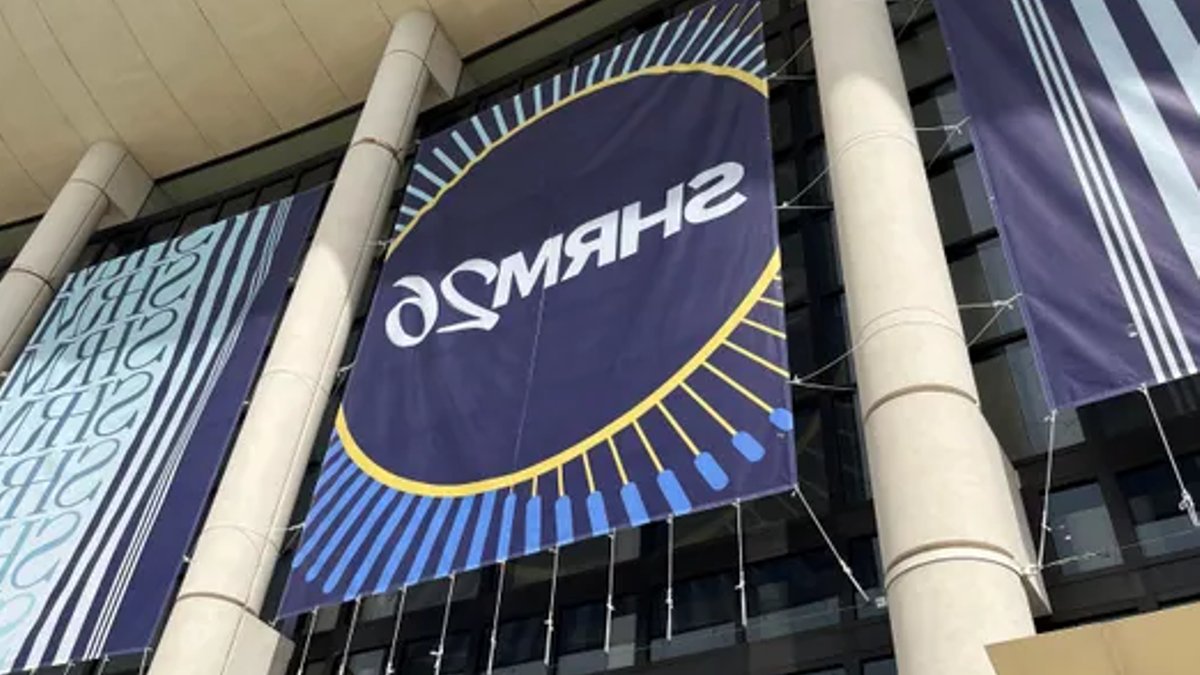
The human resources association SHRM is appealing a $11.5 million jury verdict from a race discrimination and retaliation case, arguing that the trial was compromised by improper jury instructions and prejudice. The organization filed an opening brief with the 10th U.S. Circuit Court of Appeals on Friday, seeking to reverse the decision or significantly reduce the damages awarded to a former employee.
SHRM filed the appeal on August 3, 2026, after losing the jury trial in December 2025. They refiled the documents with procedural amendments on Monday, according to court filings. In its request, SHRM asked the appeals court to overturn the district court’s denial of a motion for a new trial or to lower the financial award.
This lawsuit is one of several legal battles the association is facing. It is also dealing with a charge from a former applicant who claimed disability bias after her job offer was revoked following a request to use a service dog. Additionally, the organization’s insurance provider has filed a lawsuit arguing it is not responsible for paying the judgment.
The legal team representing the plaintiff argued that the jury instruction was correct based on the U.S. Supreme Court’s 2020 Bostock v. Clayton County decision. They claimed the plaintiff did not need to prove race was the sole cause of her termination to win the case. SHRM disagreed, citing Supreme Court precedent that suggests a plaintiff must show race was the reason for her injuries.
Related: Worker sues over 401k investment options
The district court sided with the plaintiff on the instruction’s wording. SHRM argued that given how the instruction emphasized the plaintiff’s perspective and the arguments made by her counsel, it was entirely possible for her to prevail even if the jury concluded her failure to complete projects was the primary reason she was fired.
Beyond the legal arguments regarding the jury instruction, SHRM raised concerns about the composition of the jury and the evidence presented. The organization claimed the trial court admitted hearsay testimony, including alleged feelings of discrimination shared with the plaintiff by a co-worker.
SHRM also took issue with the size of the punitive damages award, which totaled $10 million. They argued the jury was influenced by prejudice when determining these figures, noting that the jury had asked the court for clarification on who would receive the punitive damages. They claimed this figure was large, while the $1.5 million in compensatory damages for emotional distress was not supported by evidence.
The group pointed out that the plaintiff never encountered discriminatory language and never sought mental health treatment. She only testified to three months of alleged retaliation and described steps SHRM took to address her complaints. In response to the verdict, SHRM rejected the decision and vowed to fight it through the appeals process.
Related: Employers push plans counseling to avoid GLP‑1 coverage
Despite the arguments, the district court denied SHRM’s motion for a new trial in April, stating that the organization’s claims were unconvincing in face of the evidence presented at trial. SHRM continues to maintain that the verdict does not reflect the facts or how the association operates.
Eddie Burke, the director of media affairs for SHRM, said in a statement that the organization is appealing because the trial was compromised due to improper jury instructions, inflammatory arguments, and inadmissible evidence.
They will continue to fight the verdict.


Leave a Reply