
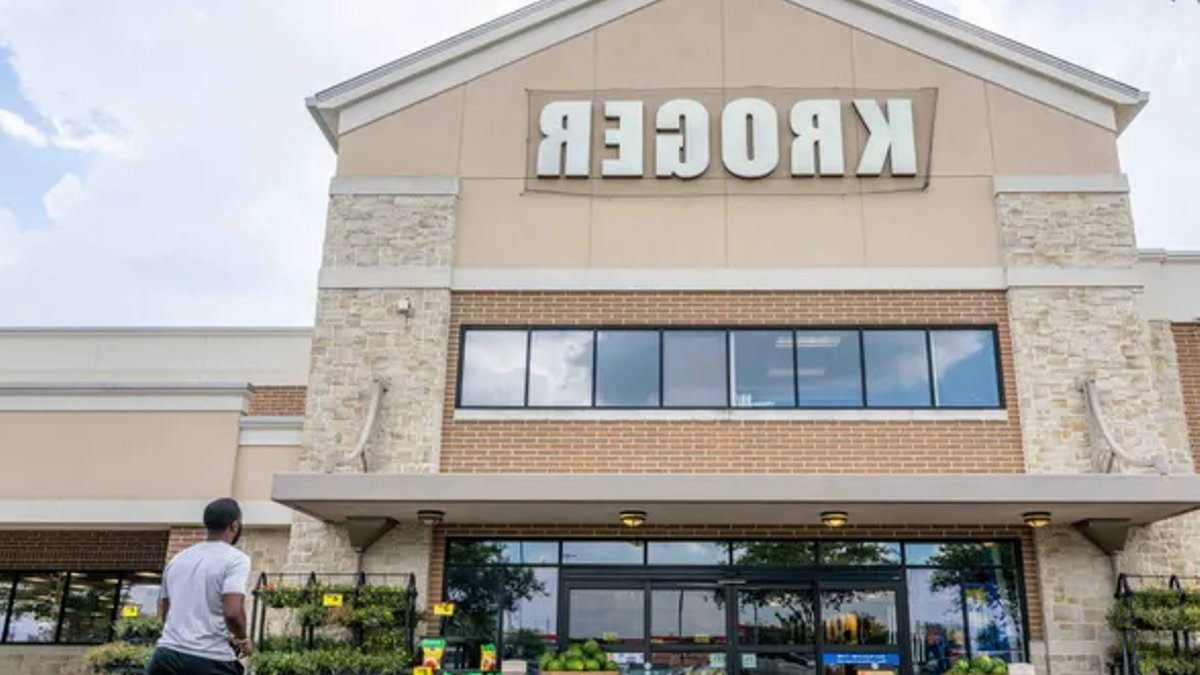
Kroger has agreed to pay $75,000 to settle claims that it unlawfully discriminated against a cashier who requested an accommodation for nerve damage associated with cancer treatments, the U.S. Equal Employment Opportunity Commission announced Monday. The company denied the allegations as part of a consent decree approved by a Georgia federal district court.
The cashier had requested to sit on a stool or chair while working the cash register, according to a lawsuit filed by the EEOC. However, a store manager allegedly told the employee that Kroger did not “do accommodations like that” and would instead find her lighter work to perform.
The facts of the case provide insight into how the ADA’s interactive process can break down between an employee requesting accommodation for a disability and management. This process begins when an employee makes such a request or when the employer knows, or has reason to know, that a disability exists or may be affecting an employee’s job performance.
Employers must assess the request and determine whether the employee can perform the essential functions of their job with reasonable accommodation, absent undue hardship. They are not required to select an employee’s preferred accommodation and may choose among reasonable accommodations so long as the chosen one is effective.
In this case, the cashier initially contacted the store manager about her disability in April 2023 following a medical emergency. She provided the manager medical documentation and a plan to return to work, but the manager allegedly failed to follow up on her request.
A lawsuit in Texas has a similar fact pattern, where the EEOC alleged that a Kroger store rescinded a previously granted accommodation allowing an employee with neuropathy to use a walker and have frequent chances to sit. Litigation in that case is ongoing.
Related: July job losses signal tougher times ahead
The EEOC has brought similar cases against employers in recent years, leading to settlements. Earlier this year, a manufacturer agreed to pay $100,000 in a lawsuit alleging that it unlawfully demoted an employee who requested an accommodation that would have cost a fraction of the settlement amount.
These cases highlight the importance of employers engaging in the interactive process in good faith. When employers resist or fail to engage in this process, it can lead to breakdowns and ultimately, costly lawsuits.
The EEOC has said that the interactive process is a standard one, but it has many potential pitfalls for employers, particularly when managers or HR staff lack the training necessary to identify when an accommodation could be needed. In the case of the Kroger cashier, the store manager’s alleged failure to follow up on her request and the HR manager’s claim that she had received no notice of the accommodation request or supporting documentation, demonstrate how this process can break down.
Employers must take an active role in engaging in the interactive process and assessing requests for reasonable accommodation, according to the EEOC’s guidance. They have also provided resources for employers to help them engage in this process and avoid potential pitfalls.
Kroger’s settlement with the EEOC serves as a reminder to employers of the importance of complying with the ADA and engaging in the interactive process in good faith. By doing so, employers can avoid costly lawsuits and ensure that they are providing reasonable accommodations to employees with disabilities, which is particularly relevant in cases of discrimination lawsuits.
Compliance with the ADA is essential for employers.


Leave a Reply