
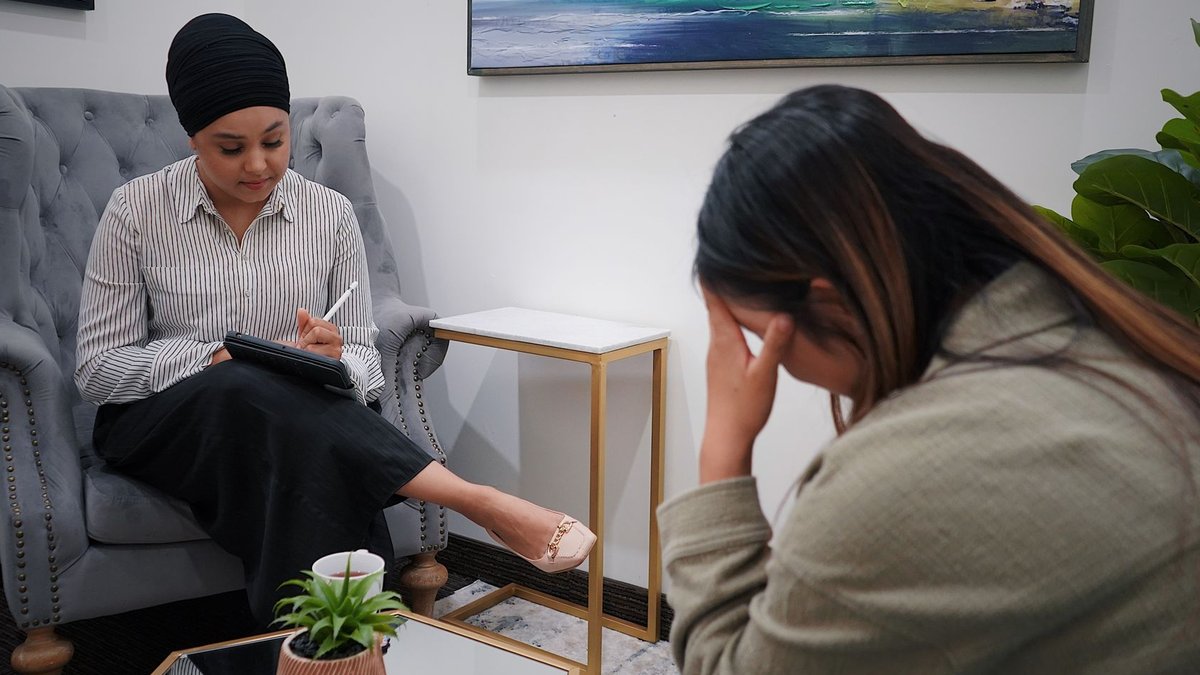
As companies mark World Mental Health Day 2026 on October 10, HR leaders across Asia-Pacific are emphasizing that support often begins with modest, everyday actions. Rather than waiting for a formal request, managers are encouraged to start genuine conversations, listen actively and check in regularly.
Small habits that build psychological safety
Emily So, head of employee experience at HAECO Group, says the first step is redefining what “strength” looks like at work. She argues that resilience should not be equated with “pushing through” but with the ability to pause, speak up and ask for help. So recommends managers set aside brief moments each day to listen and share their own challenges, creating an environment where staff feel safe to be themselves.
Julie Chow of FWD Group highlights the company’s “LiveLife” programme, which blends emotional health, physical wellness, purpose, social connection and financial advice. To celebrate the day, FWD is offering a dedicated “mindful pause” with workshops and activities designed to recharge employees without framing wellbeing as a separate initiative.
Ritthawat Chinnawong, APAC HR director at Altadia Group, stresses that mental health must become part of every manager’s core duties. He notes that observing subtle behavior changes, spotting early signs of stress and proactively checking on staff can stop minor concerns from escalating.
Embedding empathy into routine management
Wilai Palangrattanakul of Fabrinet Company suggests swapping the generic “Are you okay?” for a more specific “How can I support you?” and truly listening to the answer. She says trust, empathy and respect are the foundations of a workplace where employees feel safe to speak openly.
Jason Wang, HR director for Ingredion Thailand, adds that managers should begin meetings with brief wellbeing check-ins rather than jumping straight to tasks or deadlines. He notes that even a few minutes of attentive listening signals that mental health is woven into daily work life.
These recommendations echo a broader shift in corporate culture. While physical health benefits once dominated wellness budgets, today’s leading firms are expanding coverage to include psychiatric care, partnering with Employee Assistance Programme providers and inviting psychologists to run resilience workshops. The move reflects an understanding that a company’s growth depends on the collective mental health of its people.
Related Post: Gen Z reshapes workplace culture with new slang
In a similar vein, the 2020 pandemic forced many organisations to adopt remote-friendly mental-health practices, such as virtual mindfulness sessions and regular manager-employee check-ins. Those emergency measures have now become permanent fixtures, showing that crises can accelerate lasting cultural change.
Florence Tsui, people services specialist at Lush, points to the brand’s staff spa facility, which lets employees use spa treatments and bath bombs whenever needed. She argues that “radical openness” and everyday flexibility prevent burnout by normalising vulnerable conversations.
At UOB Thailand, vice-president Raviphan Panitcharoen observes that Thai employers are moving beyond traditional health insurance to treat mental health as a business imperative. The shift includes expanding medical coverage to psychiatric care and hosting expert-led workshops on stress management.
One concrete activity planned for the day is a 30-minute guided meditation session hosted by a certified therapist at the headquarters of Merz Aesthetics, where Srithai Srisaichon serves as HR director. The session will be open to all staff and is intended to model how brief, structured pauses can reinforce a culture of care.
The shift toward integrating mental health into workplace culture extends beyond formal policies to the ways leaders model vulnerability. At Compass Hospitality, one chain has embedded resilience training into onboarding and leadership development, framing it as a skill alongside communication or time management. A senior HR director there noted that teams now discuss setbacks openly during retrospectives, treating challenges as learning opportunities rather than failures. The approach has reduced stigma around stress while improving adaptability during staffing shortages.
Normalising vulnerability as a workplace competency
Merz Aesthetics’ meditation sessions reflect a broader trend: companies are treating mental health support as a continuous practice, not a one-off event. The HR director there emphasized that even brief, structured pauses—like guided breathing exercises—reinforce the message that care is part of daily operations. Employees who participated in similar sessions last year reported feeling more present and less reactive to workplace pressures, according to internal feedback.


Leave a Reply