
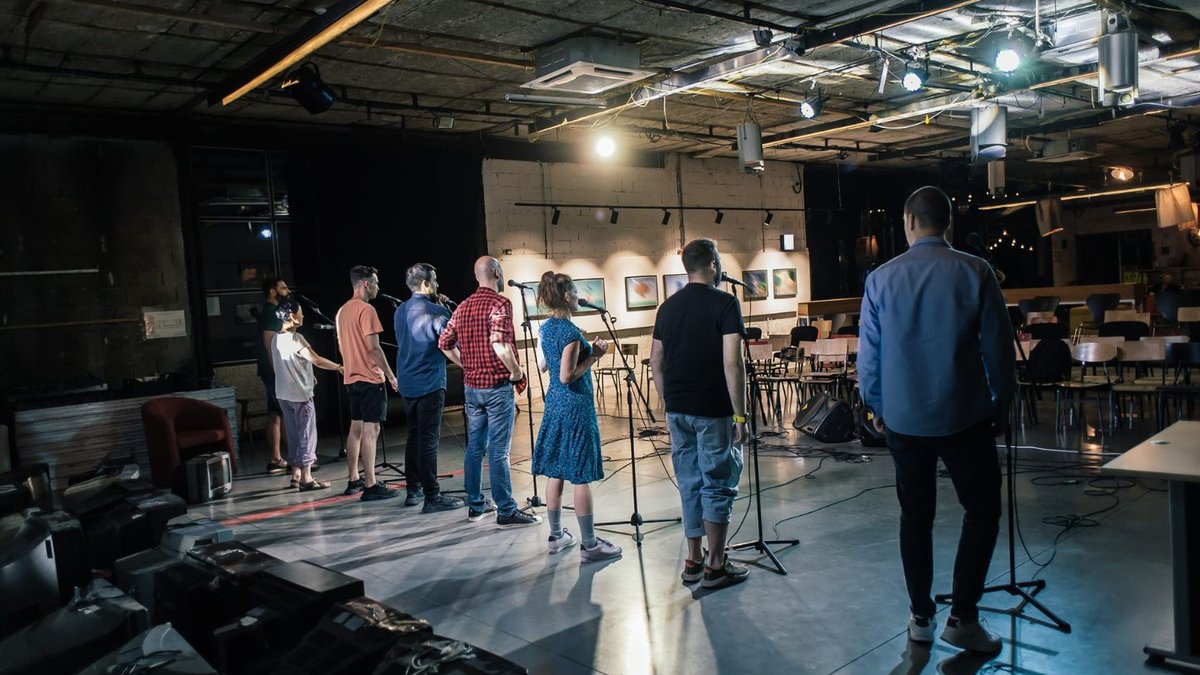
The International Labour Organization (ILO) has found that professionals in music, film, and live performance frequently face unpaid hours and uneven compensation, despite the extensive time devoted to rehearsals, travel, and preparation that often goes unrecorded.
The ILO’s report, Trends in remuneration and working time: Recorded media and live performance, covers earnings and work arrangements across recorded music, film, television, live concerts, theater, and festivals. Unlike standard employment, creative work often spans multiple projects, roles, and income sources—including live performances, royalties, teaching, and technical side jobs. This complexity makes it difficult to track total earnings, particularly during slower periods.
Data from the ILO reveals wide variations in median monthly pay across countries, though these figures may still fall short. Surveys often miss income from secondary uses of creative work, such as residuals from streaming or reruns.
Gender pay gaps deepen creative industry struggles
Gender disparities worsen the issue. In the European Union, women in cultural employment earned 13.5% less per hour than men in 2022, according to the report.
The study shows that creative professionals frequently work more hours than are officially recorded. For example, film production involves rehearsals, travel, equipment setup, and post-production—none of which are consistently factored into pay structures. Some workers receive separate fees for these tasks, while others see the time absorbed into a flat rate or left unpaid entirely.
This inconsistency creates financial uncertainty, particularly for those managing multiple projects. Irregular schedules, long hours, and limited recovery time raise concerns about occupational safety and work-life balance.
Payment models further shape financial risks. Fixed fees or buyouts provide immediate payment but may exclude workers from future earnings if a project succeeds. Royalties and residuals offer long-term revenue but depend on clear contracts to ensure fair distribution, especially as digital platforms complicate tracking and rights management.
AI reshapes work, and raises consent, compensation questions
Artificial intelligence introduces additional challenges. Editing, subtitling, and sound production tools can streamline workflows but also alter skill demands and create new oversight roles. A critical concern is how existing creative works, voices, performances, and artistic contributions, are used in AI systems without proper consent, attribution, or compensation.
Commenting on the findings, Dagmar Walter, Director of the ILO’s Sectoral Policies Branch, said audiences often see the finished film or performance without necessarily knowing the work and investment behind it. “Adequate remuneration, well-organised working time, and sustainable creative enterprises all belong in the same discussion. Social dialogue can be of enormous value in helping employers and workers to come up with practical solutions as the industry is transformed by technology,” she said.
Better data and clearer contracts among priorities To improve conditions across the industries, the ILO has identified several areas requiring attention. These include gathering better data on earnings and working hours, improving contractual clarity, making schedules more predictable and supporting workers in developing the skills needed to adapt to technological changes. The organisation also highlighted social dialogue between governments, employers, and workers, including through collective bargaining, as a way to develop solutions that account for the different working arrangements and business realities across the sector. Ultimately, the findings point to a need to look beyond the hours spent on stage or in front of a camera.


Leave a Reply